Home › Asphalt Resurfacing & Overlays
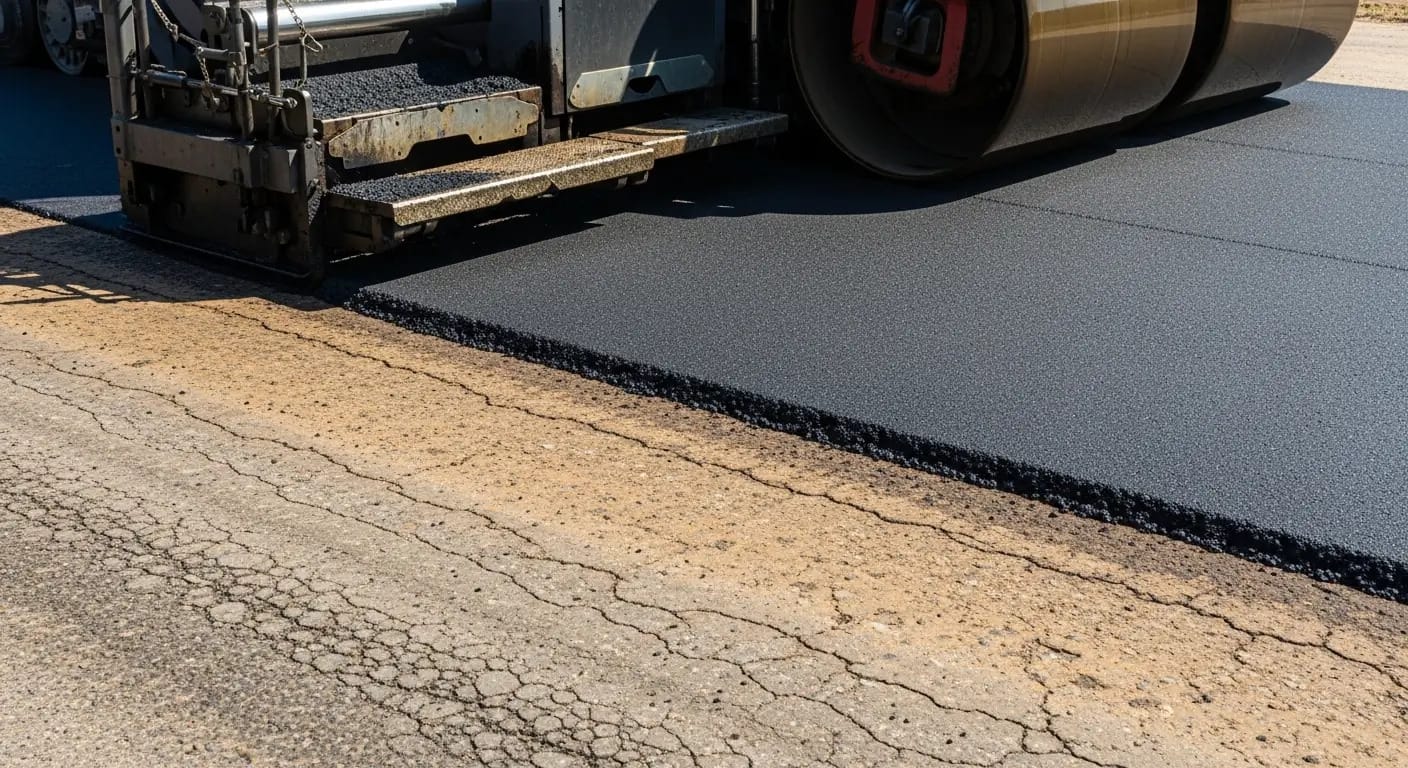
Precision Asphalt Durham offers asphalt resurfacing in Durham, NC to renew aging driveways without the cost of full replacement. We repair problem areas, then install a new asphalt overlay that bonds to your existing base for a smooth, uniform finish. Resurfacing is ideal for driveways with surface wear, small cracks, and faded color but a solid foundation underneath.
Precision Asphalt Durham provides professional asphalt resurfacing throughout Durham, NC, North Carolina and the surrounding area. Our licensed, insured crew delivers safe, clean, on-time work with a free estimate before anything begins. Call (984) 206-3947 or request your free quote.
Asphalt Resurfacing & Overlays for Durham Properties
Asphalt resurfacing is often the most cost effective way to bring a worn driveway or parking lot back to life without paying for a full tear out and replacement. Precision Asphalt Durham focuses on resurfacing and overlay work across Durham neighborhoods like Hope Valley, Woodcroft, Northgate, and around Duke and NCCU, where many driveways and lots are 15 to 30 years old and starting to fail.
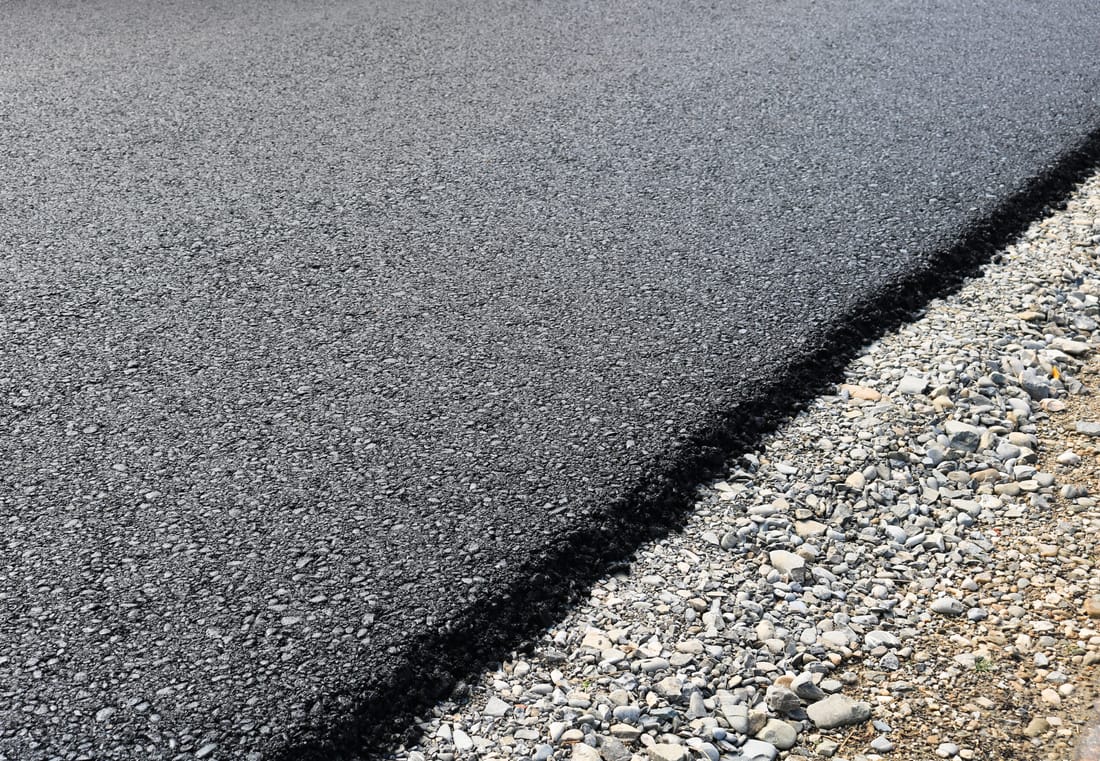
Resurfacing means we keep your existing asphalt base if it still has structural integrity, then repair defects and install a new layer of hot mix asphalt on top. This restores a smooth, black surface, corrects minor drainage problems, and extends pavement life by 8 to 15 years when done correctly. It is different from a simple sealcoat, which is a thin protective layer only. Resurfacing adds real thickness and strength.
On commercial properties, we often use overlays to correct rutted drive lanes, cracked parking areas, and faded striping. On residential streets and long rural driveways outside the Durham city center, overlays are useful when the pavement is too far gone for sealing but not completely failed. Precision Asphalt Durham evaluates each surface carefully before recommending resurfacing so you are not paying for a solution that will not last.
How We Evaluate If Your Pavement Is a Good Candidate
Not every cracked or rough surface in Durham, North Carolina can be fixed with asphalt resurfacing. Before anyone talks about pricing, Precision Asphalt Durham inspects three things: the base, the cracking pattern, and drainage.
We start with the base. If the surface has widespread deep potholes, severe heaving, or large sunken areas where the stone base has washed out, resurfacing alone will not solve the problem. In those cases, we mark off the failed areas for full depth removal and base repair before any overlay goes down.
Next we look at the cracking pattern. Alligator cracking (tight, blocky cracks that look like a reptile pattern) usually means base failure. Light to moderate linear cracking, small potholes, raveling (loose stones coming off the top), and faded color are usually good candidates for resurfacing. In older Durham subdivisions built in the 1980s and 1990s, this is what we see most often.
Drainage is the third key factor. Many Durham properties sit on clay-heavy soils. If water already ponds in certain areas, simply adding a layer of asphalt can make ponding worse. Our crew uses straightedges and laser levels to see how water is moving across your pavement. In some cases we recommend milling (grinding down) high spots or adding wedge courses so that when the new overlay is installed, water runs to the correct edge or drain inlet instead of sitting on the surface.
Step by Step: Our Asphalt Resurfacing & Overlay Process
Precision Asphalt Durham follows a defined process so your resurfaced pavement holds up under Durham weather and traffic.
1. Site preparation and cleaning. We start by blocking off the work area, posting notices if it is a commercial lot, and removing obstacles like wheel stops. The surface is power swept, and stubborn debris or caked mud is scraped off so the new asphalt can bond properly.
2. Milling and edge work. Where the new overlay needs to match existing structures, such as garage floors, concrete aprons, curb lines, or road tie ins, we mill down the existing asphalt by a set depth. This keeps finished heights consistent so you do not end up with a lip at the garage, a tripping hazard at the curb, or water trapped at transitions.
3. Base and pothole repair. Failed areas are saw cut in squares or rectangles, then dug out to the stone base. We repair the base with compacted aggregate, then place and compact new hot mix asphalt flush with the surrounding surface. This removes weak spots that would reflect through the overlay later.
4. Crack treatment. Wider structural cracks are cleaned and filled with hot rubberized crack sealant so they do not immediately telegraph through the new surface. We do not waste your money filling every hairline crack, but we do seal cracks that can pull in water and damage the base.
5. Tack coat application. We spray a bonding agent called tack coat over the existing surface. It looks like a thin black liquid. This helps the new asphalt layer adhere to the old pavement so both layers act as a single structure.
6. Placing the overlay. We install a new hot mix asphalt layer, typically 1.5 to 2 inches thick on residential driveways and 1.5 to 3 inches on commercial or industrial lots depending on loading. For larger areas, we use a paving machine for even thickness. Smaller or tighter areas are hand placed and compacted.
7. Compaction and finishing. Steel drum and pneumatic rollers compact the new surface while it is at the right temperature. We check for smoothness, proper slopes, and joints that are tight and well compacted so water does not infiltrate at seams. After cooling, we add striping and markings if needed.
Material Options and Design Choices That Affect Performance
Not every overlay uses the same asphalt mix. Precision Asphalt Durham selects materials based on how you use the surface and the condition of the existing pavement.
For light duty residential driveways in neighborhoods like Trinity Park or around Southpoint, a standard surface course mix at 1.5 to 2 inches is usually adequate, provided the base is solid. For heavier use, such as apartment complexes, grocery store lots, or industrial sites near the Durham Freeway, we may specify a thicker overlay or a mix with a coarser aggregate structure that resists rutting from frequent turning and braking.
We also look at traffic patterns and wheel paths. If garbage trucks, delivery vehicles, or buses follow the same track every day, we may recommend spot thickening in those lanes or installing a leveling course first to smooth severe ruts before the final surface layer. This reduces the chance that ruts will reappear quickly.
Drainage and slope are design choices as well. If your existing pavement holds water near the center, it may make sense to use an overlay to create more crown in the middle so water sheds to the sides. In some Durham driveways that slope toward the house, we sometimes regrade with the overlay so water runs away from foundations. These adjustments are subtle but important for long term performance.
Color and texture are generally standard with hot mix asphalt, but we can adjust finishing techniques if you prefer a slightly more textured surface for traction on steep driveways, which is useful on some of the hillier streets in north Durham. We explain what each option will change in terms of appearance, traction, and durability so you can make a practical choice.
What Drives Cost for Asphalt Resurfacing in Durham
Homeowners and property managers in Durham usually want to know why resurfacing costs what it does and how to get the best value. Precision Asphalt Durham estimates are built on measurable items, not vague allowances.
Key cost drivers include the size of the area, the thickness of the overlay, and how much base or patch repair is needed before we pave. A simple, straight, 2 car driveway with a 1.5 inch overlay and minimal crack work is at the lower end of the range. A commercial lot with multiple access points, islands, drains, and required traffic control has more prep work and hand work, which raises labor time.
Existing pavement condition is the second major factor. If 10 to 20 percent of the area needs full depth repair, that adds more than if only a few isolated potholes need patching. We measure and mark these areas during the site visit so you can see exactly where the extra cost comes from.
Access and staging also matter. In parts of downtown Durham where parking is tight and lots are behind buildings, it takes more time to move equipment and trucks in and out. Long driveways in rural parts of the county may require more haul time from the asphalt plant. We factor travel and setup into our pricing, but we spell it out so there are no surprises.
Season and schedule can influence cost too. In the heat and humidity of a Durham summer, we may need extra crew or rollers to keep up with cooling times, especially on larger overlays. Night work for busy commercial sites can cost slightly more because of lighting and staffing, but it can save you downtime and disruption for customers. We review these options with you so you can balance budget with convenience.
What Durham Property Owners Should Know Before Hiring
Before you commit to asphalt resurfacing or an overlay, there are a few practical points that will save you trouble.
First, insist on a site visit. No one can accurately recommend resurfacing based on a quick photo alone. Precision Asphalt Durham always checks base conditions, drainage, and overlay thickness requirements on site. If a contractor is ready to quote a price without walking the pavement, be cautious.
Second, ask exactly how much thickness you are getting. Some low bids come from cutting the overlay down to 1 inch or less, which often fails quickly in Durham's mix of hot summers and occasional freezing nights. We specify planned compacted thickness in writing and match it in the field.
Third, confirm how access will be managed. On residential jobs, most driveways are out of use for 24 to 48 hours after paving, depending on temperature. On commercial lots, we can often phase work so parts of the lot stay open. You should know the schedule up front so tenants, customers, and deliveries are not caught off guard.
Fourth, ask about joints and tie ins. The weakest points in any overlay are where old and new surfaces meet. We explain how we will mill transitions, seal joints, and manage drainage at connections to streets, gutters, and concrete.
Finally, maintenance after resurfacing matters. We typically recommend waiting at least 6 months before applying a sealcoat, then following a 3 to 5 year sealing schedule, especially with Durham's UV exposure in summer. Prompt crack filling and avoiding heavy turning in place by large trucks can extend the life of your new surface considerably. We go over a simple maintenance plan at the end of every resurfacing project so you know how to protect your investment.